Why domestic travel deserves a second look
International travel gets a lot of attention, and for good reason. But roundtrip international airfare alone can run $800 to $1,500 or more per person before a single night of lodging. For travelers weighing costs carefully, the U.S. offers a wide range of landscapes, foods, and cultural experiences that are easy to underestimate when a flight to Europe is on the brain.
The destinations below don't get the same marketing attention as Paris or Cancun, but each one has genuine character. None of them require a passport. Several are drivable from major metro areas, which means comparing the cost of flying versus driving could save you even more. If you're open to timing your visit thoughtfully, pairing any of these with a shoulder season approach tends to reduce crowds and nightly rates considerably.
The Upper Peninsula of Michigan
Michigan's Upper Peninsula sits between four of the Great Lakes and gets a fraction of the tourist traffic its scenery could attract. Pictured Rocks National Lakeshore has sandstone cliffs that drop directly into Lake Superior, with colors that shift from rust to teal depending on the light and season. The surrounding towns are small, lodging is relatively affordable, and the area is accessible by car from Chicago, Detroit, or Milwaukee in a day's drive.
Fall is particularly worthwhile: the hardwood forests turn quickly in September, and temperatures stay comfortable for hiking. Verify current road and trail conditions with the National Park Service before visiting, as weather in this region can shift fast.
Pictured Rocks draws far fewer visitors than its scenery warrants, and fall color arrives early.
The Palouse, Washington and Idaho
The rolling farmland of eastern Washington and northern Idaho produces some of the most distinct landscapes in North America. The hills are formed from ancient windblown sediment and photographed heavily in late spring when the wheat is young and green, then again in summer when it turns gold. Pullman, Washington and Moscow, Idaho are the two main towns, each with a state university, local restaurants, and affordable places to stay.
This region rarely appears on travel shortlists, partly because it isn't adjacent to a major city or a well-known outdoor attraction. That's exactly what keeps prices reasonable and parking uncrowded.
The Palouse stays uncrowded because it doesn't fit neatly into any obvious travel category.
Natchez, Mississippi
Natchez sits on a bluff above the Mississippi River and has one of the largest concentrations of antebellum architecture in the country. The history here is layered and includes the stories of enslaved people who built and maintained those estates, which reputable tours and the Natchez Museum of African American History and Culture address directly. That context matters and makes the destination more honest than a simple architectural tour would be.
The food scene draws on Gulf Coast and Southern traditions. Accommodations in restored historic homes are available and often priced well below what comparable boutique lodging costs in larger cities.
Natchez offers historical depth that goes well beyond the plantation-tour framing most travelers expect.
The Owens Valley, California
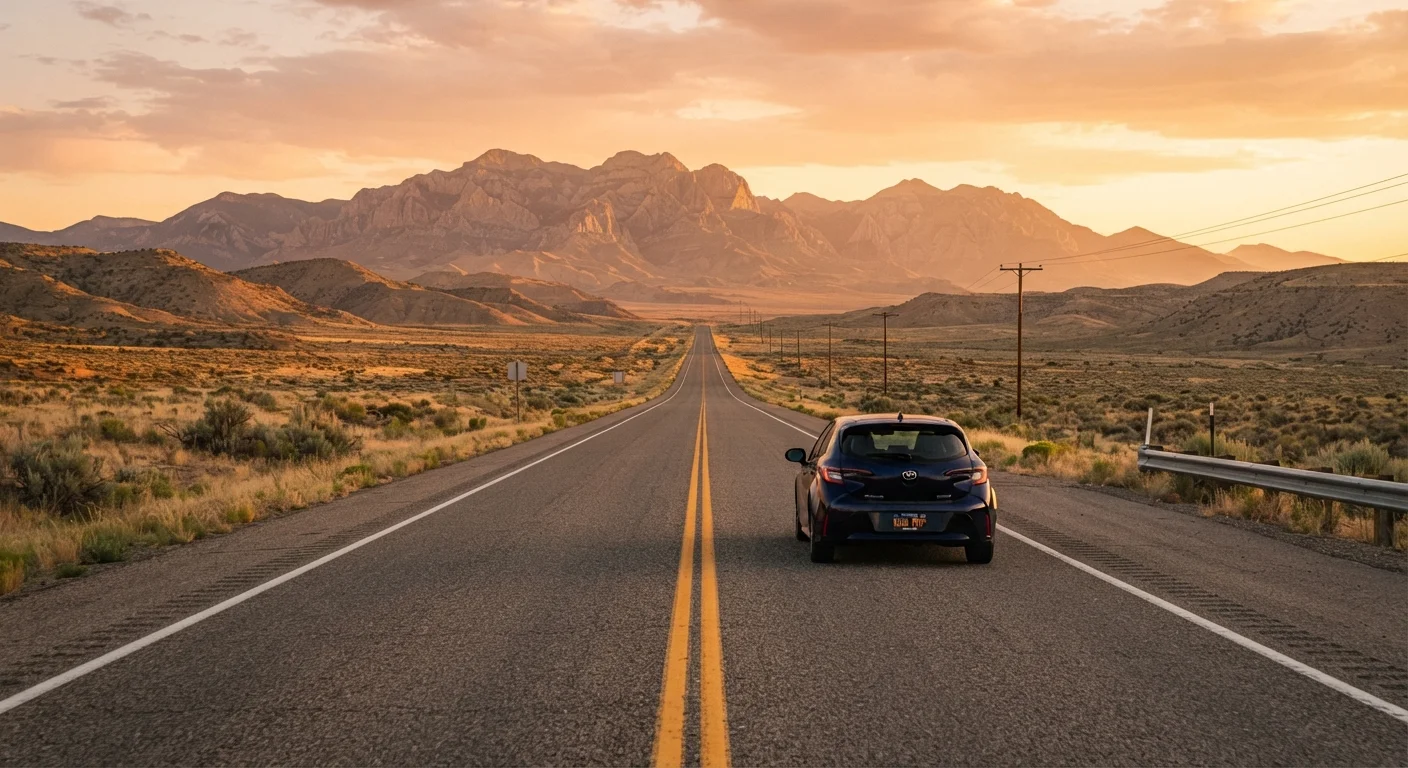
The stretch of US-395 between Lone Pine and Bridgeport in eastern California runs alongside the Sierra Nevada on one side and the White and Inyo Mountains on the other. The Alabama Hills near Lone Pine have been used in film productions for decades and are free to visit. Ancient Bristlecone Pine Forest, home to trees that are among the oldest living organisms on earth, is a short detour from Bishop.
Most California visitors head to the coast or Yosemite. The eastern side of the Sierra stays quieter and generally costs less, though Yosemite's popularity does push some overflow traffic into the Valley. Check road conditions and access hours for the Bristlecone Pine Forest with Inyo National Forest before planning a visit.
The eastern Sierra corridor packs more variety into a single highway stretch than most multi-state itineraries.
Asheville, North Carolina (outside peak leaf season)
Asheville is no longer a secret, but its timing window matters. Peak fall leaf season in October brings significant crowds and elevated hotel prices. Visiting in late spring or early summer means the same mountain scenery, the same independent food and arts scene, and noticeably lower nightly rates. The Blue Ridge Parkway runs through the area and charges no entry fee. Downtown Asheville has a concentration of working artists, craft breweries, and independent restaurants that is genuine rather than manufactured.
For older travelers, the terrain is hilly but the city itself is walkable and accessible in most central areas. Seniors planning any trip may want to review mobility and access details for specific trails and attractions before booking.
Visiting Asheville outside October delivers the same character at a lower price.
The Finger Lakes, New York
Eleven long, narrow lakes cut through central New York, surrounded by gorges, waterfalls, and farmland. The region produces wine, cider, and beer in quantity, and the food scene around Ithaca and Seneca Falls draws on that agricultural base. Watkins Glen State Park has a gorge trail that passes behind multiple waterfalls and charges a modest entry fee.
Compared to the Hudson Valley or the Hamptons, the Finger Lakes draws less weekend traffic from New York City, which keeps prices more reasonable. The region is drivable from Philadelphia, Boston, and Pittsburgh in addition to the metro New York area.
The Finger Lakes deliver gorge scenery and a working food culture at prices the Hudson Valley rarely matches.
Planning your trip
A few things apply across all these destinations. Lodging prices vary widely by season, so checking both peak and off-peak rates before you decide on timing is worth the few extra minutes. National Park passes (the America the Beautiful annual pass covers entry to all federal lands for a flat fee) can reduce costs significantly if you're visiting more than one park-based destination in a year. Verify current entry fees, pass details, and any reservation requirements directly with the National Park Service before you go.
If you're planning to drive rather than fly, mapping out a road trip budget in advance helps avoid surprise costs on fuel and overnight stays. And whatever your destination, avoiding common booking mistakes can keep the total cost closer to what you planned.
Check reservation requirements early
Several popular natural areas now require timed-entry permits during peak months, including some sites mentioned in this article. Confirming permit or reservation requirements directly with the managing agency (National Park Service, state parks, or national forest) before you finalize dates can prevent a wasted trip. Requirements change from year to year, so last season's rules may not apply.