
What full coverage actually means
The term "full coverage" is not a single product. It typically refers to a policy that combines liability insurance (required by law in most states) with two optional add-ons: collision coverage, which pays for damage to your car after an accident, and comprehensive coverage, which pays for non-collision events like theft, hail, or flood. When people talk about dropping full coverage, they generally mean removing collision and comprehensive from their policy while keeping liability intact.
Understanding what each component covers is the first step. See our guide to auto insurance deductibles for a closer look at how your deductible amount affects what you actually collect after a claim.
The core financial question
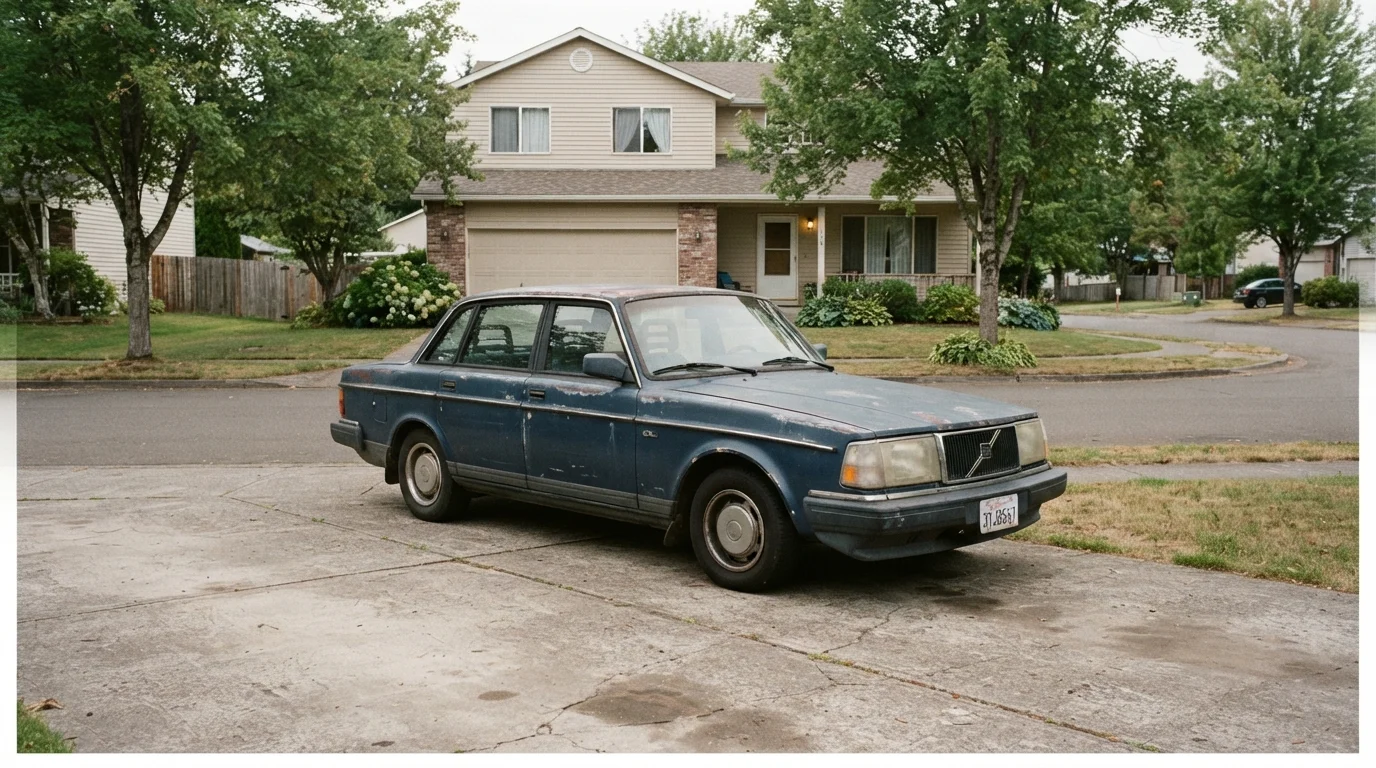
The central issue is straightforward: if your car is worth $3,000 and you pay $900 a year for collision and comprehensive coverage, you are paying 30% of the vehicle's value annually for protection that will never pay out more than the car is worth minus your deductible. A $500 deductible on a $3,000 car means the maximum payout is $2,500.
A widely cited rule of thumb suggests that if the combined annual cost of collision and comprehensive premiums exceeds 10% of the car's current market value, the coverage may not be worth the cost. That threshold is not a hard rule, and your own financial situation matters just as much as the math.
10%
Annual premium-to-value threshold
A commonly used rule of thumb suggests reviewing full coverage when combined collision and comprehensive premiums exceed 10% of the vehicle's current market value.
$500-$1,000+
Typical annual cost of collision and comprehensive
Costs vary widely by location, driving record, and vehicle, but removing these two components often produces meaningful annual savings.
Drivers often overlook how much insurance factors into total ownership cost. The costs most vehicle owners underestimate include insurance premiums that quietly grow as a share of a depreciating car's value.
Reasons to drop full coverage
Immediate reduction in monthly premium costs
Collision and comprehensive can represent a significant portion of a full-coverage premium. Removing them frees up recurring cash that can go toward savings or other expenses.
Premiums can exceed realistic payout value
On a vehicle worth $3,000 to $5,000, the maximum insurance payout after a deductible may be less than two or three years of premiums, making the trade-off unfavorable over time.
Older cars depreciate further, widening the gap
As a car ages, its market value falls while premiums may stay flat or rise, making the financial case for full coverage weaker each year.
Savings can fund self-insurance
Redirecting freed-up premium dollars into a dedicated emergency fund gives you a financial buffer that works across all types of unexpected costs, not just vehicle damage.
The savings from removing collision and comprehensive can be redirected to an emergency fund or toward routine maintenance that actually extends the car's life.
Reasons to keep full coverage
No payout if the car is totaled or stolen
Without comprehensive and collision, a total loss leaves you entirely responsible for replacing the vehicle. For drivers without savings, this can mean losing reliable transportation.
Prohibited on financed vehicles
If you still owe money on the car, your lender requires full coverage. Dropping it would breach the loan terms and could trigger forced-placed insurance at a higher cost.
Unexpected repairs can still be costly
Collision coverage is separate from mechanical repair coverage, but a serious accident can create repair costs that exceed the car's value. Without coverage, those costs fall entirely on you.
Regional risks may justify keeping comprehensive
Drivers in areas with severe weather, high theft rates, or frequent flooding may find that comprehensive coverage pays out more regularly than the national average would suggest.
If you would struggle to replace the car out of pocket, even a modest payout from a claim has real value. The right answer depends on your savings, your car's condition, and how dependent you are on the vehicle for daily life.
Factors to weigh before making a change
Before removing coverage, check a few specifics. First, confirm you own the car outright. If there is still a loan on the vehicle, the lender almost certainly requires collision and comprehensive, and dropping them would violate your loan agreement.
Second, look up the car's current market value using a recognized pricing resource. Then compare that figure against what you are paying for collision and comprehensive alone, not the full policy premium. Liability is not optional and should not factor into this calculation.
Third, be honest about your emergency fund. Dropping coverage is a form of self-insuring, which means you absorb the financial hit when something goes wrong. If an unexpected $2,500 repair or replacement would create serious financial strain, keeping coverage may be worth the cost regardless of what the math suggests.
Finally, consider where and how you drive. A car parked on a busy city street faces more risk than one in a garage in a low-traffic area. Comprehensive coverage, in particular, may be worth retaining in regions with frequent hail, flooding, or high vehicle theft rates.
Liability coverage is not optional
Dropping collision and comprehensive does not mean going without insurance. Nearly every state requires drivers to carry minimum liability coverage, which pays for damage and injury you cause to others. Driving without it exposes you to fines, license suspension, and personal liability for damages. Always maintain at least the legally required minimums.