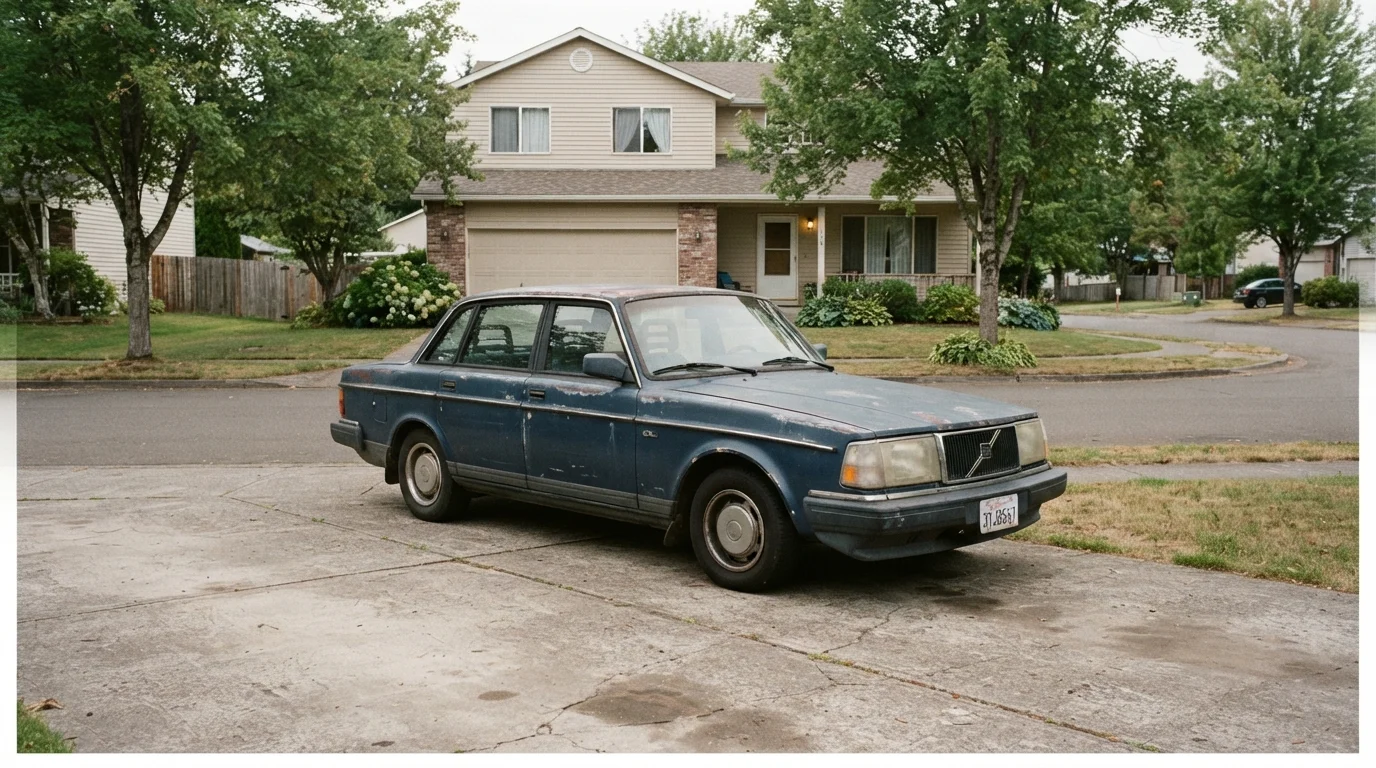

The gap between the monthly payment and the real cost
Most people calculate affordability by looking at the loan payment. That figure is real, but it covers only a fraction of what a vehicle actually costs to own each year. The remaining expenses are spread across separate bills, paid at different times, and easy to treat as one-off surprises rather than predictable costs.
This article walks through the categories drivers most often underestimate. Whether you are deciding between financing options or trying to stretch a tight monthly budget, knowing what to expect helps you plan more accurately. For a fuller picture of how financing choices affect long-term cost, see questions worth asking before you sign an auto loan.
Track every cost category for one month
Most drivers are surprised when they total fuel, parking, tolls, and small supplies for a single month. Doing this once gives you an accurate baseline for budgeting the variable costs that don't appear on a fixed bill. A simple spreadsheet or notes app works fine.
Costs most owners underestimate
Depreciation
A vehicle loses value from the moment it leaves the lot. For many owners, depreciation is the single largest annual cost, yet it never shows up as a bill. A car that loses several thousand dollars in value each year is effectively costing money even while sitting in a driveway.
Depreciation matters most when you plan to sell or trade in. Owners who carry a loan longer than the vehicle holds value can end up owing more than the car is worth, a position called being underwater. Leasing vs. buying a car covers how depreciation plays out differently depending on which path you choose.
Depreciation is often the largest annual cost, yet it never appears as a bill.
Insurance beyond the base premium
Drivers often budget for the premium they pay today without accounting for how it can change. A move to a different zip code, a change in credit score, or simply a policy renewal can shift the rate without any change in driving behavior. Add-ons like roadside assistance, rental reimbursement, or gap coverage raise the total further.
It helps to review coverage annually and compare quotes rather than auto-renewing. common car insurance myths explains several misconceptions that lead drivers to either over-insure or under-insure their vehicles.
A move or a credit change can raise your premium even if your driving record stays clean.
Tires, brakes, and batteries
These three items wear out on predictable schedules, yet many drivers treat them as surprises. A full set of tires can cost several hundred dollars installed. Brake pads and rotors typically need replacement every 30,000 to 70,000 miles depending on driving conditions. A standard 12-volt battery usually lasts three to five years.
None of these are rare or unexpected, but because they don't recur monthly, they don't make it into most people's budgets. Setting aside a small monthly amount specifically for wear items makes these costs manageable.
Tires, brakes, and batteries wear on predictable schedules but rarely make it into monthly budgets.
Registration, taxes, and inspection fees
Annual registration costs vary widely by state and, in some states, by the vehicle's value or weight. Some states also charge a personal property tax on vehicles each year. Mandatory safety or emissions inspections add another line. Together, these can total anywhere from under $100 to several hundred dollars per year, depending on location.
Drivers who move between states sometimes find the combined registration and tax burden in a new state significantly higher than what they paid before.
State registration and vehicle taxes can total several hundred dollars annually, and vary widely by location.
Fuel cost variability
Most drivers estimate fuel costs using current pump prices, which change constantly. A vehicle that gets 25 miles per gallon costs meaningfully more to fuel each year than one rated at 35 mpg, especially over longer commutes. Driving style, load weight, and air conditioning use also affect real-world fuel consumption beyond the EPA estimate.
Budgeting with a range rather than a single number accounts for price swings and seasonal changes in driving patterns.
Fuel cost projections based on today's pump price will be wrong within months.
Parking, tolls, and incidental costs
In urban areas, monthly parking can rival or exceed a car payment. Toll roads and bridge crossings add up across commutes. Car washes, air fresheners, floor mats, phone mounts, and small accessories each seem minor but together can reach several hundred dollars over a year.
These costs are the easiest to overlook because no single charge feels significant. Tracking them for one month often reveals a total that surprises most drivers.
Parking, tolls, and small accessories feel minor individually but often total hundreds per year.
Loan interest over the full term
A lower monthly payment achieved by extending the loan term does not reduce the cost of the vehicle. It increases total interest paid. A 72-month or 84-month loan on a vehicle that depreciates quickly can leave the owner paying more in interest than the car's remaining value warrants.
How loan term length shapes the true cost of a car breaks down how the same vehicle financed over different terms produces very different totals.
Extending a loan term lowers the monthly bill but raises the total amount paid.
Building a more complete budget
Once you list every category, most drivers find that total annual ownership cost runs noticeably higher than their loan payment alone suggests. A useful exercise is to add up insurance, fuel, maintenance, registration, and a depreciation estimate, then divide by 12. That monthly figure is what the vehicle actually costs.
If that number strains the budget, there are real levers to adjust. Dropping unnecessary coverage on an older vehicle, comparing insurance quotes at renewal, or choosing a model with lower projected maintenance costs can each reduce the total. When dropping full coverage on an older car makes financial sense walks through how to think about that specific decision.
For ongoing maintenance strategy, keeping vehicle maintenance costs under control over time covers the habits that prevent small issues from becoming expensive repairs.
This article is for general informational purposes only and is not financial or legal advice. Costs vary by location, vehicle type, and individual circumstances. Consult a licensed financial professional for guidance specific to your situation.