What smart home devices actually do
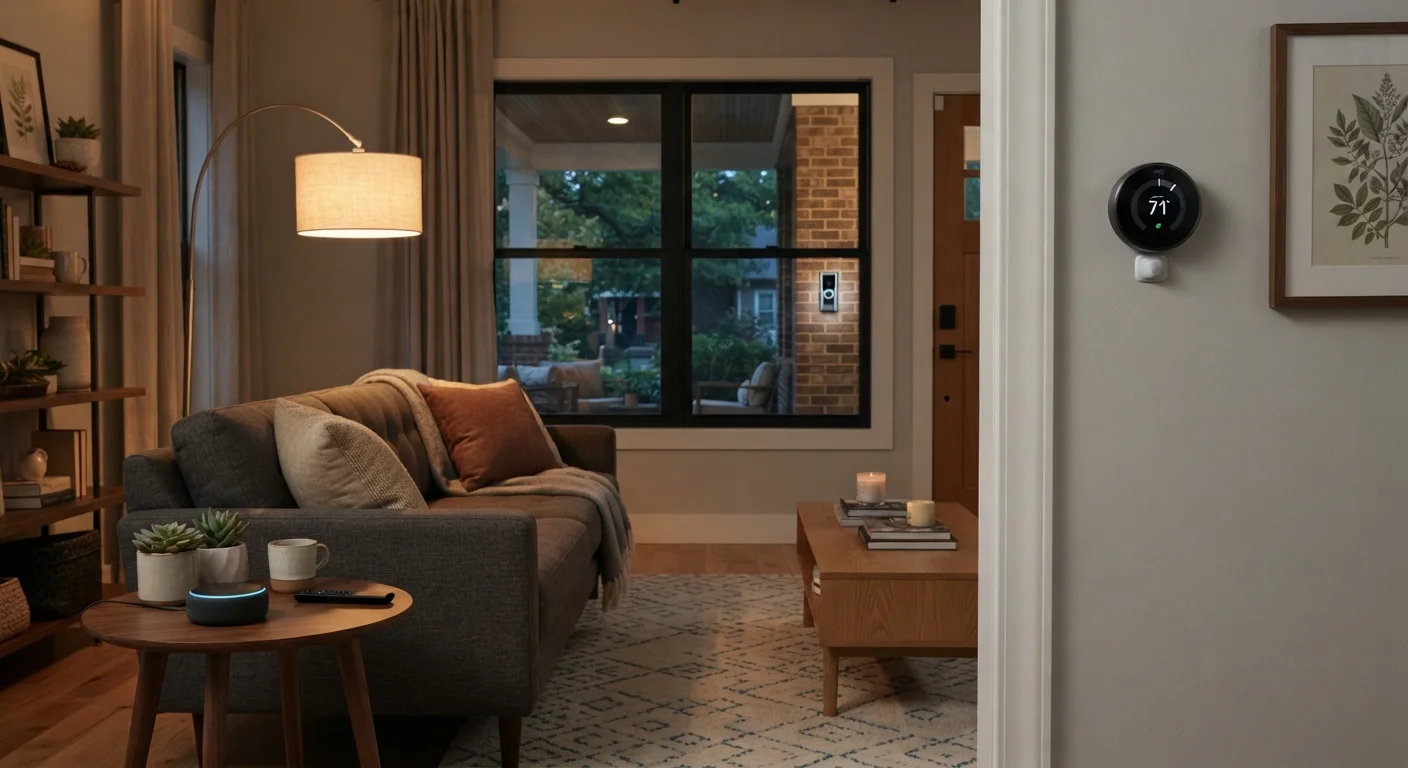
Smart home devices are internet-connected gadgets that automate or remotely control household functions. A connected thermostat adjusts the temperature on a schedule or responds to your habits. A video doorbell lets you see and speak with visitors from your phone. A smart speaker answers questions, plays music, and controls other devices by voice command.
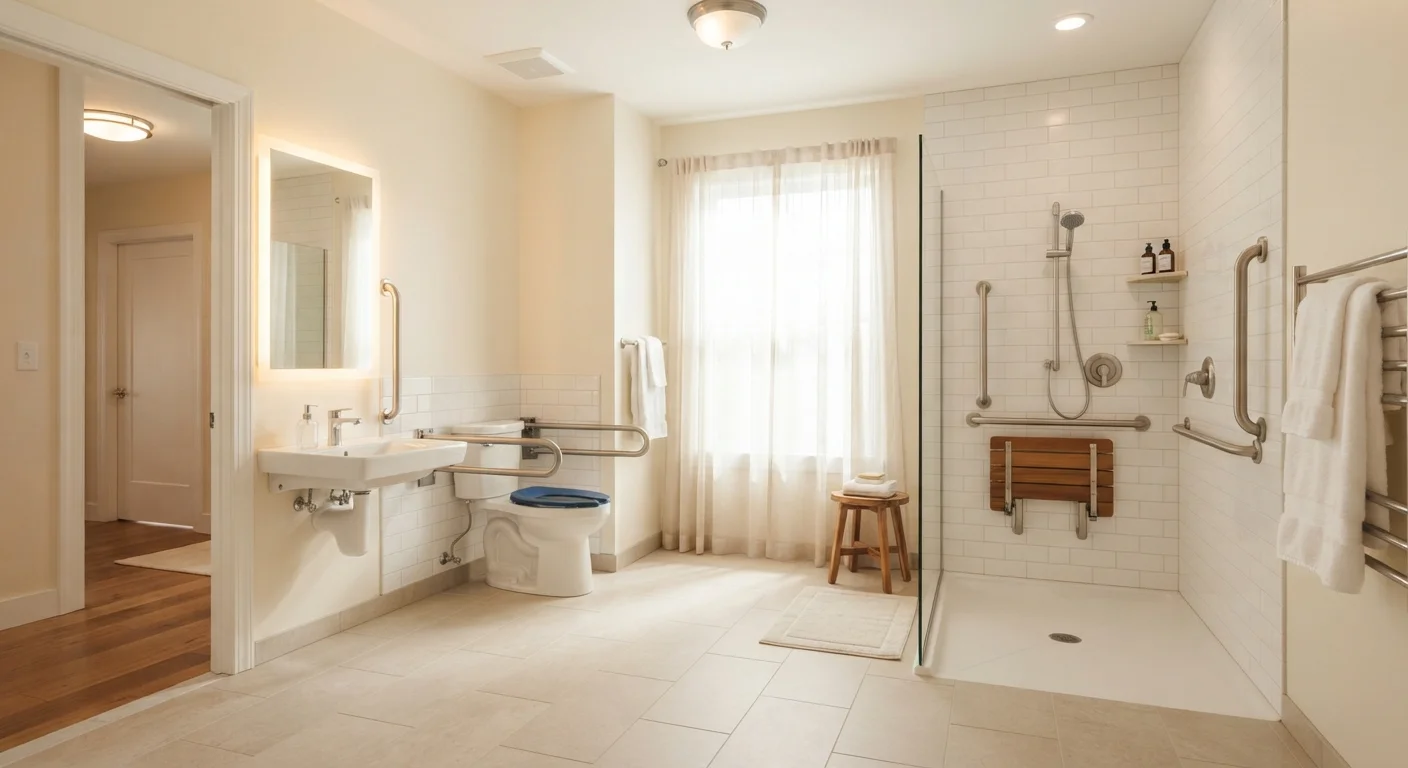
These products work by sending and receiving data over your home Wi-Fi network. That constant connection is what makes them useful, and it is also what raises privacy questions worth understanding before you buy. For households where someone is modifying the home to support independence, voice-controlled devices in particular can reduce physical strain and add a layer of safety.
The real advantages
The convenience argument is not overstated. Automated lighting and thermostats reduce the number of small tasks that pile up over a day, and programmable schedules mean you are not heating or cooling an empty house. The U.S. Department of Energy notes that a programmable thermostat used consistently can reduce heating and cooling costs, though actual savings depend heavily on your habits and home size.
For security, video doorbells and smart locks give homeowners visibility they did not have before. Seeing a package delivery or an unexpected visitor without opening the door has practical value. Motion-sensor lighting can deter casual trespassing. These features can be especially useful for older adults who want to stay informed about activity around their home without physically going to the door.
Voice assistants lower the barrier to information and help with reminders, timers, and shopping lists without requiring a screen or keyboard. For anyone managing arthritis, low vision, or limited mobility, that can make a genuine difference in daily independence.
Automates repetitive household tasks
Scheduled thermostats, lighting, and appliances handle routine adjustments without daily input, freeing up time and mental bandwidth.
Can reduce energy use
Smart thermostats that respond to occupancy patterns can lower unnecessary heating and cooling, though actual savings depend on usage habits and home characteristics.
Supports home security visibility
Video doorbells and motion sensors let residents monitor activity around their home remotely, which can be reassuring especially when traveling or living alone.
Voice control aids accessibility
For adults with limited mobility, arthritis, or vision challenges, hands-free control of lights, locks, and information reduces physical strain in daily tasks.
The privacy trade-offs
Smart devices collect data to function. A thermostat learns your schedule; a video doorbell stores footage; a smart speaker processes voice commands, sometimes sending clips to company servers for quality review. The scope of data collection varies by manufacturer, and company privacy policies change over time.
One concrete concern: many devices have microphones or cameras that are active by default. A smart speaker is designed to listen for a wake word, which means it is always listening at a low level. Accidental activations do happen, and in those cases audio may be recorded and stored. Checking the privacy settings on any device and disabling features you do not use is a reasonable precaution.
Data breaches are another consideration. Connected devices expand the number of entry points on your home network. A poorly secured camera or doorbell can, in some cases, be accessed by unauthorized parties. Using strong, unique passwords and keeping device firmware updated reduces this risk without requiring technical expertise.
Check your router settings too
Smart devices are only as secure as the home network they connect to. Creating a separate guest network for smart home devices, distinct from the one used for computers and phones, is a straightforward way to limit exposure if one device is compromised. Your router's manual or manufacturer website will have instructions specific to your model.
Continuous data collection by default
Most smart devices collect usage data continuously and send it to manufacturer servers. The extent of this varies, but it is rarely zero, even on basic settings.
Microphones and cameras carry inherent risk
Always-on listening and recording features can capture unintended moments. Accidental activations on smart speakers have been documented by multiple manufacturers.
Home network security depends on user habits
Each connected device is a potential access point. Weak passwords or outdated firmware can leave devices exposed to unauthorized access.
Privacy policies can change after purchase
Manufacturers update their data practices over time, sometimes expanding what they collect or share. Devices bought today may operate under different terms in future years.
How to think through the decision
The right question is not whether smart devices are good or bad in the abstract. It is whether a specific device solves a real problem in your household and whether you are comfortable with its data practices.
Reading the privacy policy before purchasing is useful, even just the summary section. Look for whether the company sells data to third parties and what controls you have to limit data collection. Most manufacturers now include a privacy dashboard in their apps where you can delete stored recordings or opt out of certain data uses.
For those thinking about home improvements more broadly, a connected air quality monitor is one example of a smart device with a narrow, well-defined purpose and relatively low data risk compared to always-on microphones. Matching device complexity to your actual needs is a practical way to get value without taking on more privacy exposure than necessary.
This article is for general informational purposes only and does not constitute legal, financial, or technical advice. Privacy policies and device features vary by manufacturer and change over time; review current documentation directly with any product you are considering.