
Where indoor air pollutants come from
Most people think of air pollution as an outdoor problem, but the air inside a home has its own mix of contaminants. They come from several directions at once.
Building materials and furnishings are a frequent source. Pressed wood products, carpets, and some paints release VOCs (volatile organic compounds), which are gases that off-gas over time. New furniture or a fresh coat of paint tends to release more, and the rate slows as the material ages.
Combustion appliances are another source. Gas stoves, fireplaces, and attached garages can introduce carbon monoxide, nitrogen dioxide, and fine particles into living spaces if ventilation is inadequate. Carbon monoxide detectors are a standard safety measure in most states for this reason.
Biological pollutants, including mold, mildew, dust mites, and pet dander, grow or accumulate wherever moisture and organic matter are present. Bathrooms, basements, and bedding are common spots. A room-by-room approach to cleaning and decluttering can reduce the surfaces where these pollutants settle and build up.
Radon deserves separate mention. This colorless, odorless gas enters homes through cracks in foundations and floors. The EPA recommends that every home be tested, because radon levels vary widely by geography and building type.
Carbon monoxide detectors are required in many states
Most U.S. states require carbon monoxide detectors in residential buildings, though specific requirements vary by state and home type. Because carbon monoxide has no odor or color, a detector is the only reliable way to know it is present. Check your local requirements and replace detector batteries annually.
How air quality connects to health and comfort
The effects of indoor air quality on health exist on a spectrum. At one end, poor air causes immediate discomfort: itchy eyes, a scratchy throat, sneezing, or headaches that seem to ease when you go outside. At the other end, long-term exposure to certain pollutants, particularly radon and tobacco smoke, carries serious health risks documented by public health agencies including the EPA and the Centers for Disease Control and Prevention (CDC).
People with asthma, allergies, or chronic respiratory conditions tend to notice symptoms sooner when air quality deteriorates. Children and older adults are also more sensitive, because their respiratory systems are either still developing or less resilient. This article is general information and not medical advice; anyone experiencing health symptoms they believe are linked to indoor air should speak with a healthcare professional.
Beyond health, air quality affects daily comfort in quieter ways. Stale air from poor ventilation can make a room feel heavy and cause fatigue. Dry air in winter months can irritate skin and nasal passages. High humidity in summer months can make a home feel oppressive and create conditions for mold growth.
General steps that may help
No single action guarantees clean air, but several habits together can reduce common pollutants meaningfully.
- Open windows when outdoor air quality is good. Cross-ventilation, even briefly, flushes out accumulated VOCs and stale air.
- Use exhaust fans in kitchens and bathrooms during and after cooking or showering. These are among the most effective and lowest-cost tools for controlling moisture and cooking byproducts.
- Vacuum with a HEPA-filter vacuum regularly, especially in carpeted areas and near upholstered furniture where dust and dander collect.
- Store household chemicals, paints, and cleaning products in sealed containers in a ventilated space, separate from living areas.
- Test for radon. Low-cost kits are available at hardware stores, and mitigation systems exist if levels are found to be high.
- Keep indoor humidity between 30% and 50% using a dehumidifier in damp months or a humidifier in dry ones. A hygrometer tracks the current level accurately.
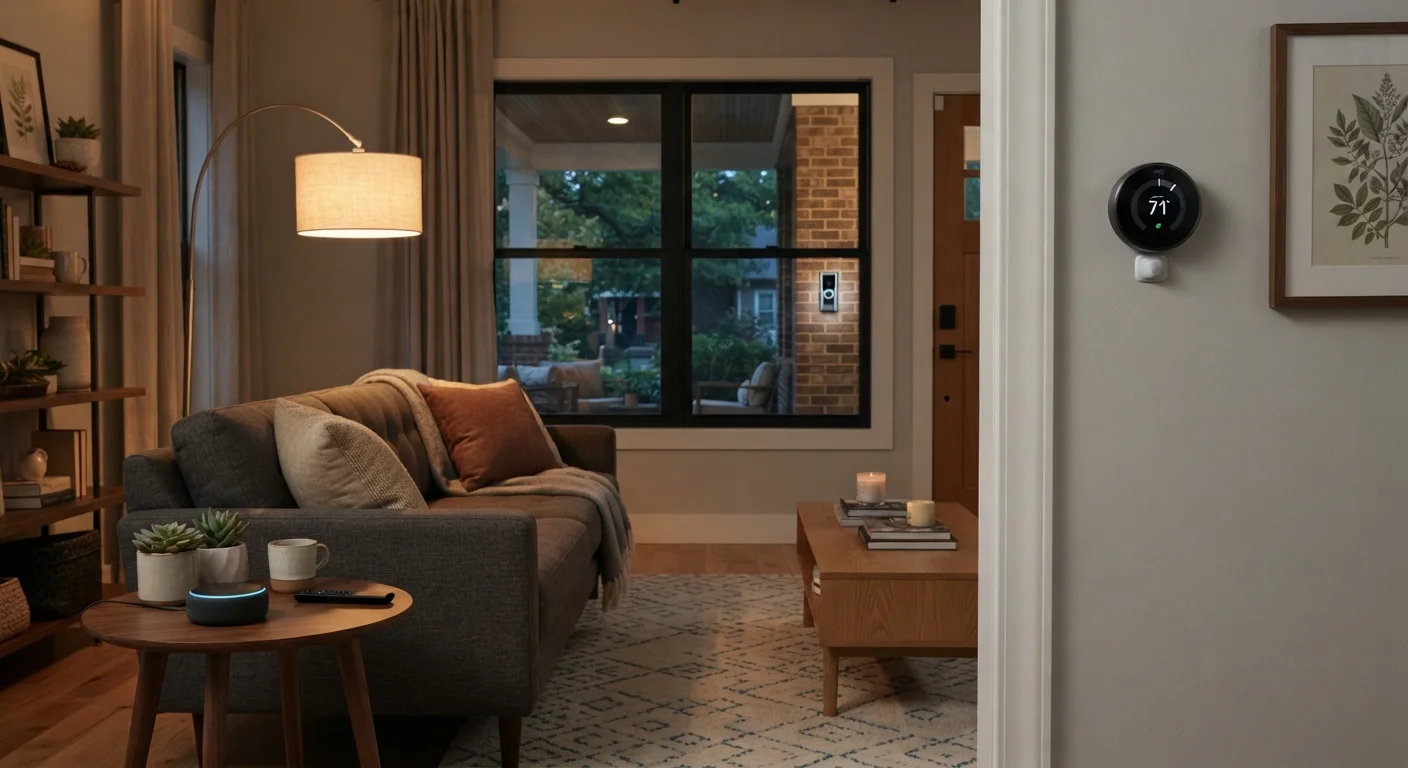
If you use smart home devices to monitor temperature or air quality, it is worth knowing how that data is collected and stored. Our article on smart home devices and privacy covers what to consider before connecting these tools to your network.
A simple ventilation habit makes a difference
Opening two windows on opposite sides of a room for ten to fifteen minutes, even in cooler weather, creates cross-ventilation that clears accumulated gases and stale air more effectively than a single open window. On days when outdoor air quality is rated poor in your area (check AirNow.gov for daily readings), keep windows closed and rely on filtration instead.
When to look more closely
Some situations warrant a closer look at air quality rather than general maintenance. If a home has had water damage, visible mold, or a musty smell that persists after cleaning, a professional inspection for mold may be appropriate. Older homes built before the 1980s may contain asbestos in insulation or flooring materials; disturbing those materials without professional assessment carries real risk.
If household members experience recurring symptoms, particularly ones that improve when they are away from home, a conversation with a healthcare provider is a reasonable step. An indoor air quality professional can conduct detailed testing if a specific source is suspected but not identified.
This article is for general informational purposes only and does not constitute medical advice. Consult a qualified healthcare professional for any health concerns related to indoor air quality or respiratory symptoms.