
What responsible borrowing actually means
Borrowing money is a tool. Like any tool, it produces different outcomes depending on how it is used. A mortgage, an auto loan, a personal loan, and a credit card line all involve the same basic transaction: a lender provides funds now, and a borrower repays them over time with interest. The principles that lead to manageable, affordable debt are consistent across all of those products.
This article covers general financial information and education. It is not personalized financial or legal advice. For decisions tied to your specific situation, consult a licensed financial adviser or credit counselor.
The goal here is to give you a framework for evaluating any borrowing decision, regardless of what you are financing. That framework rests on a small number of habits that borrowers who avoid debt trouble tend to share.
Core principles for any type of loan
These practices apply whether you are comparing mortgage options, weighing a personal loan against revolving credit (see how personal loans and credit cards differ in long-term cost), or financing a vehicle.
Calculate the total repayment cost, not just the monthly payment
A lower monthly payment often means a longer term and more interest paid overall. Focusing only on the monthly figure can obscure how expensive a loan actually is over its full life.
Keep your debt-to-income ratio within a manageable range before taking on new debt
Debt-to-income ratio (DTI) compares your monthly debt obligations to your gross monthly income. Lenders use it to assess repayment risk, and it is a useful self-check for borrowers too. A high DTI leaves little room for unexpected expenses.
Match the loan term to the useful life of what you are financing
Financing a short-lived asset over a long term means you may still owe money on something that has lost most of its value. This is a common source of financial stress for auto borrowers in particular.
Borrow only what you need, even if you qualify for more
Lenders approve borrowers up to a maximum based on creditworthiness, not based on what is comfortable for the borrower's budget. Pre-approval amounts are a ceiling, not a target.
Understand the difference between fixed and variable interest rates before committing
Fixed rates stay the same over the loan term, making payments predictable. Variable rates can rise with market conditions, increasing the total cost in ways that are difficult to plan for.
Before you sign: a practical checklist
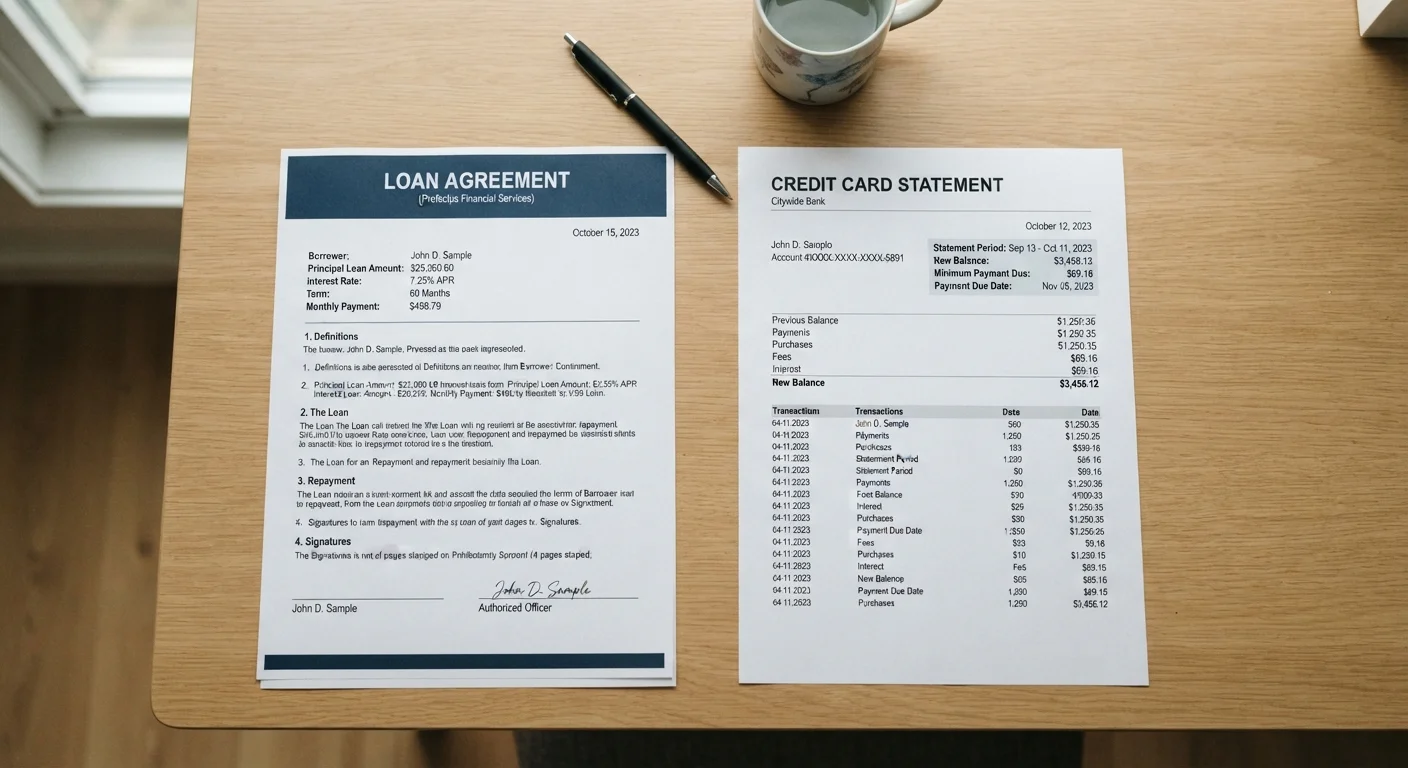
Most borrowing problems trace back to a step that was skipped before the agreement was signed. The loan document itself is the authoritative source of your obligations, not the summary a lender provides verbally or in a brochure.
Read the full agreement, including the fine print covering prepayment penalties, late fees, and rate adjustment schedules if the loan is variable. Confirm the annual percentage rate (APR), which reflects the true yearly cost of borrowing including fees, not just the stated interest rate. Check whether the lender reports payments to the major credit bureaus; consistent on-time payments can strengthen your credit profile over time.
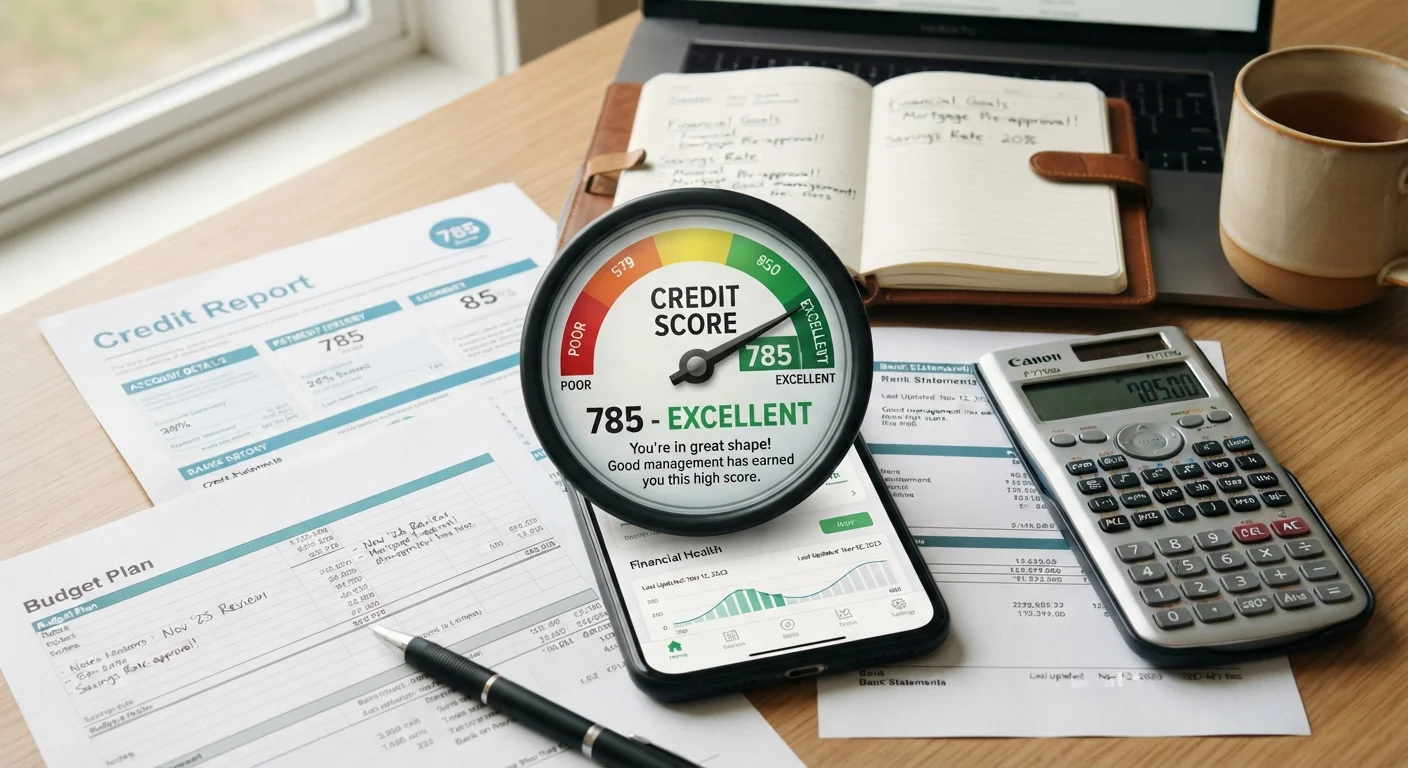
If anything in the agreement is unclear, ask for a written explanation before signing. Your credit profile affects the rates you qualify for more than most borrowers realize, so protecting it starts with obligations you can actually meet.
This article is for general informational and educational purposes only and does not constitute personalized financial, legal, or tax advice. Consult a licensed financial professional before making borrowing decisions.