How each product charges you
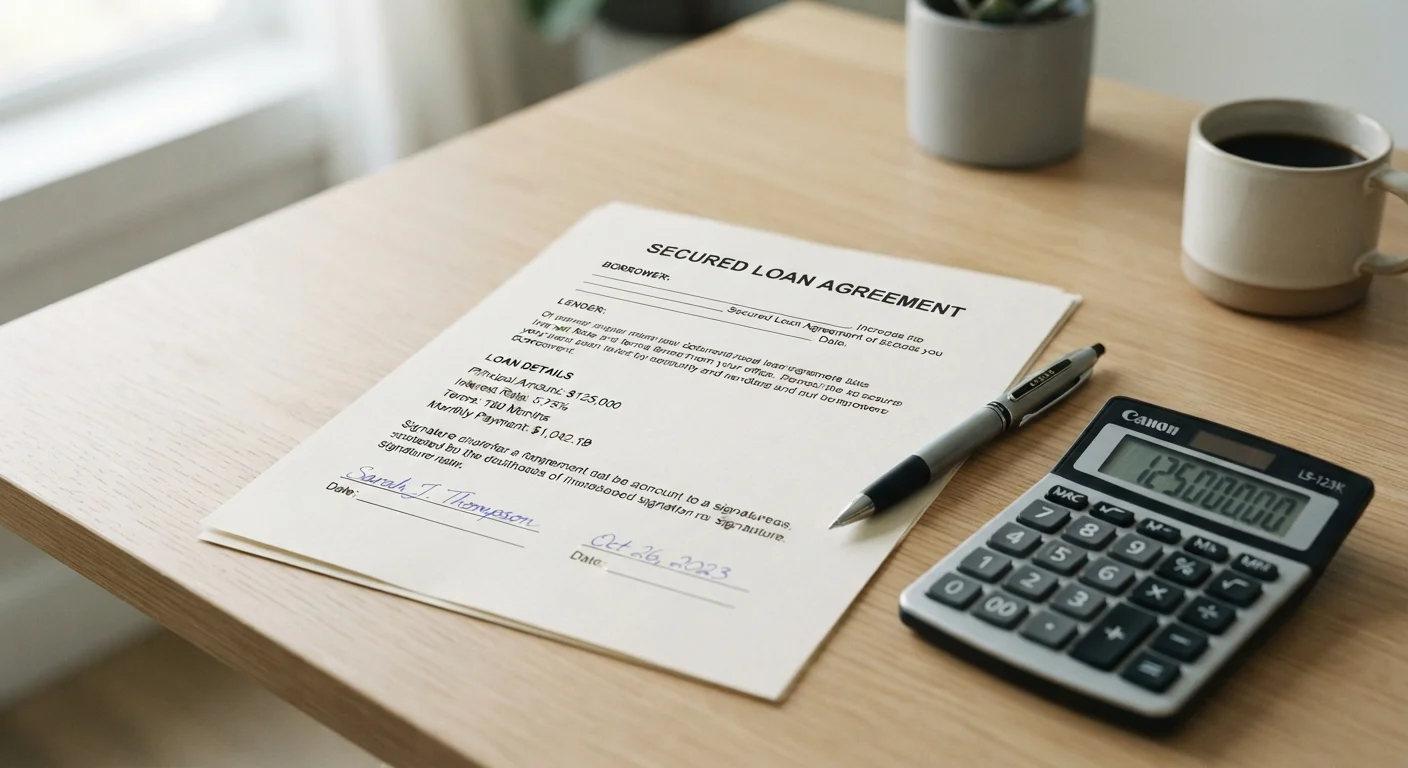
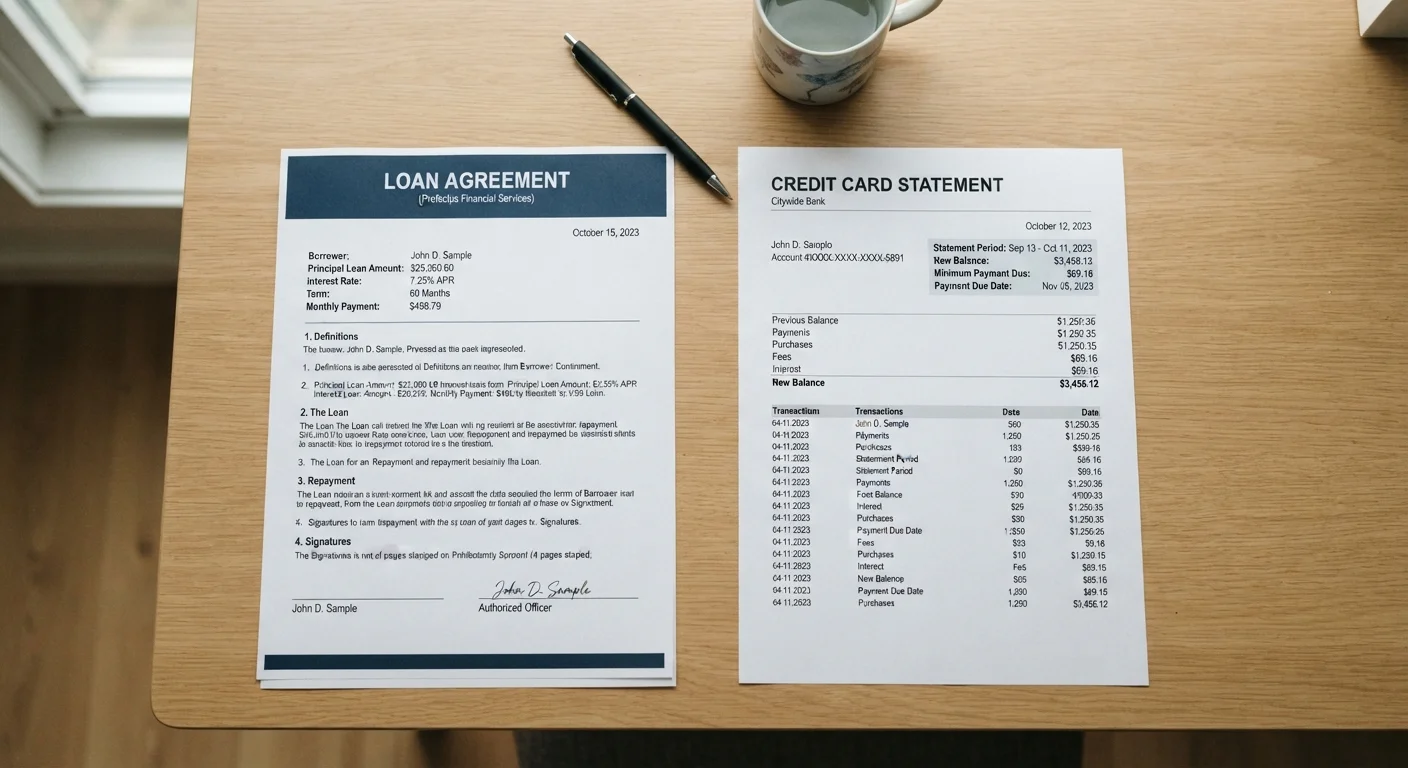
A personal loan gives you a fixed sum upfront, which you repay in equal monthly installments over a set term, commonly 24 to 60 months. The interest rate is locked at the time you borrow, so the total cost is calculable before you sign. Because lenders receive scheduled payments, they generally price personal loans at lower rates than revolving credit.
A credit card is a revolving line of credit. You can borrow up to your limit repeatedly, and your minimum required payment changes with your balance. If you pay the full statement balance before the due date, no interest applies. Carry any portion forward, and the card issuer charges interest on the remaining balance, typically compounded daily. That compounding effect is what makes unpaid credit card balances expensive over time.
Understanding the annual percentage rate (APR) matters for both products. APR expresses the yearly cost of borrowing, including fees, as a single percentage. See what APR measures and why it matters for a fuller breakdown of how it differs from a stated interest rate.
Where the cost gap shows up
| Feature | Personal loan | Credit card | |
|---|---|---|---|
| Rate type | Fixed | Variable (typically) | |
| Typical APR range | Lower for qualified borrowers | Higher on carried balances | |
| Repayment structure | Fixed monthly installments | Minimum payment, flexible | |
| Interest compounding | Monthly on declining balance | Daily on carried balance | |
| Fees to watch | Origination fee, prepayment penalty | Late fee, cash advance fee | |
| Best for predictability | Yes | No, if balance carries over |
The table above illustrates the structural differences. The cost gap between the two products widens with time. On a personal loan, interest accrues only on the outstanding principal, which shrinks with each payment. On a credit card balance, daily compounding means you pay interest on interest if you make only minimum payments, and the balance can persist for years.
Rate ranges also differ. Credit card APRs have historically run higher than personal loan APRs for borrowers with similar credit profiles. The exact rates a lender or card issuer offers depend on your credit score, income, existing debt, and the lender's own pricing. This article provides general information, not personalized financial advice. A licensed financial adviser can help you evaluate options for your specific situation.
When a personal loan costs less
A personal loan is likely to carry lower total interest cost when you need to borrow a set amount, want a fixed monthly payment, and plan to repay over one to five years. The fixed rate means your cost does not change if market rates rise, which is one reason borrowers use them for debt consolidation. Fixed vs. variable rate structures each carry trade-offs worth understanding before you commit to either.
Origination fees, which some lenders charge as a percentage of the loan amount, add to the true cost. Always check whether a lender deducts this fee from the disbursement or adds it to the loan balance, because both approaches affect what you actually pay.
When a credit card costs less
A credit card has zero interest cost if you pay the full balance each billing cycle. For a purchase you can cover within 30 days, a card is cheaper than any loan because no interest accrues during the grace period. Some cards also carry introductory 0% APR periods on purchases or balance transfers, which can make short-term borrowing genuinely free, provided you pay the balance before the promotional period ends and read the terms carefully.
The risk is behavioral. Research on consumer debt consistently finds that revolving balances persist longer than borrowers initially expect. A purchase intended as a one-month float can become a multi-year balance if minimum payments are all that gets made. Sound borrowing principles apply regardless of which product you use.
Check your full repayment timeline
Before using a credit card for a larger purchase, calculate how long it will take to pay off at your realistic monthly payment, not just the minimum. Even a modest APR compounds into a significant cost over 18 to 36 months. A personal loan with a fixed term can remove that uncertainty from the calculation.
What to check before you borrow
Compare the APR across both options for the amount you actually need. For a personal loan, calculate the total repayment by multiplying the monthly payment by the number of months, then add any origination fee. For a credit card, estimate how many months realistically it will take to pay off the balance and use the card's APR to project interest charges.
Also consider what happens if your circumstances change. Personal loans have fixed payment obligations; missing them affects your credit and may trigger fees. Credit cards have lower minimum payments, which provides short-term flexibility but extends repayment and raises total cost. Neither flexibility nor rigidity is inherently better; the right structure depends on your income stability and repayment discipline.
This article is for general informational purposes only and does not constitute personalized financial, tax, or legal advice. Consult a qualified financial professional before making borrowing decisions based on your individual circumstances.