
How each structure works
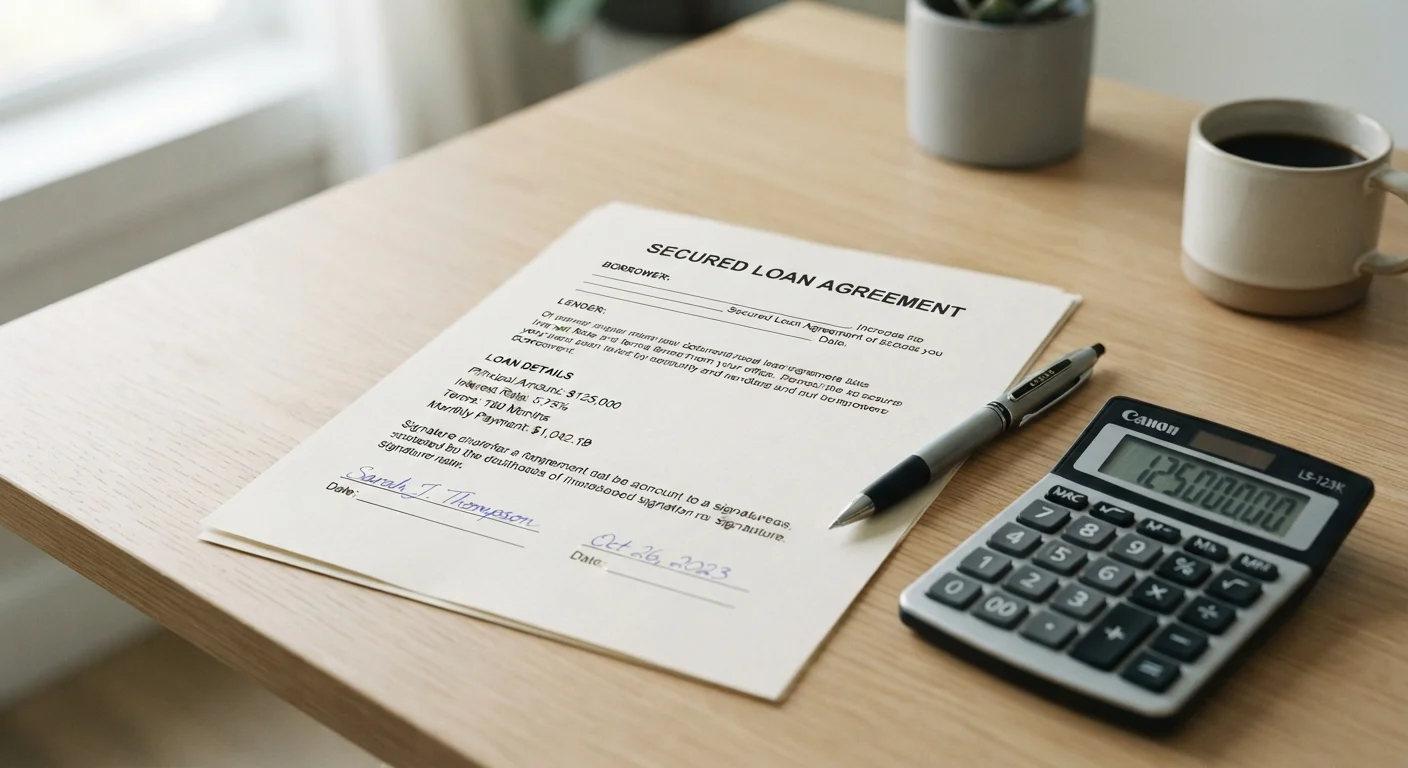
A fixed rate loan locks in your interest rate at closing. Whether your loan runs three years or thirty, the rate printed in your agreement is the rate you pay. Your monthly payment covers a consistent split of principal and interest, and the only variable is how much of each portion changes as you pay down the balance.
A variable rate loan (also called an adjustable rate loan) ties your interest rate to a published benchmark index plus a set margin. For example, if the index sits at 4% and your margin is 2%, your rate is 6%. When the index moves at the next scheduled adjustment, your rate and payment move with it. Most variable rate loans include caps that limit how far the rate can rise per period and over the life of the loan.
Understanding APR alongside your interest rate matters here because origination fees and other costs affect the true cost of either structure.
What is a benchmark index?
Variable rate loans are tied to a reference interest rate, such as the Secured Overnight Financing Rate (SOFR), which replaced LIBOR as the primary U.S. benchmark. When that index moves, your loan's rate adjusts by the same amount, subject to any caps written into your loan agreement. Rate caps limit how much your rate can change per adjustment period and over the life of the loan.
Where the real trade-offs appear
The case for a fixed rate is straightforward: certainty. If your income is stable and your budget is tight, a payment that never changes lets you plan without building in reserves for rate swings. Fixed rates are worth paying a modest premium to avoid the administrative and psychological burden of watching benchmark rates each quarter.
Variable rates introduce uncertainty, but they carry a genuine financial benefit in the right circumstances. If you borrow for a short term, say two to five years, the lower starting rate can mean paying less total interest even if the rate rises modestly toward the end. The math shifts when loan terms are long: a rate that climbs steadily over fifteen years can push total interest well above what a fixed rate would have cost.
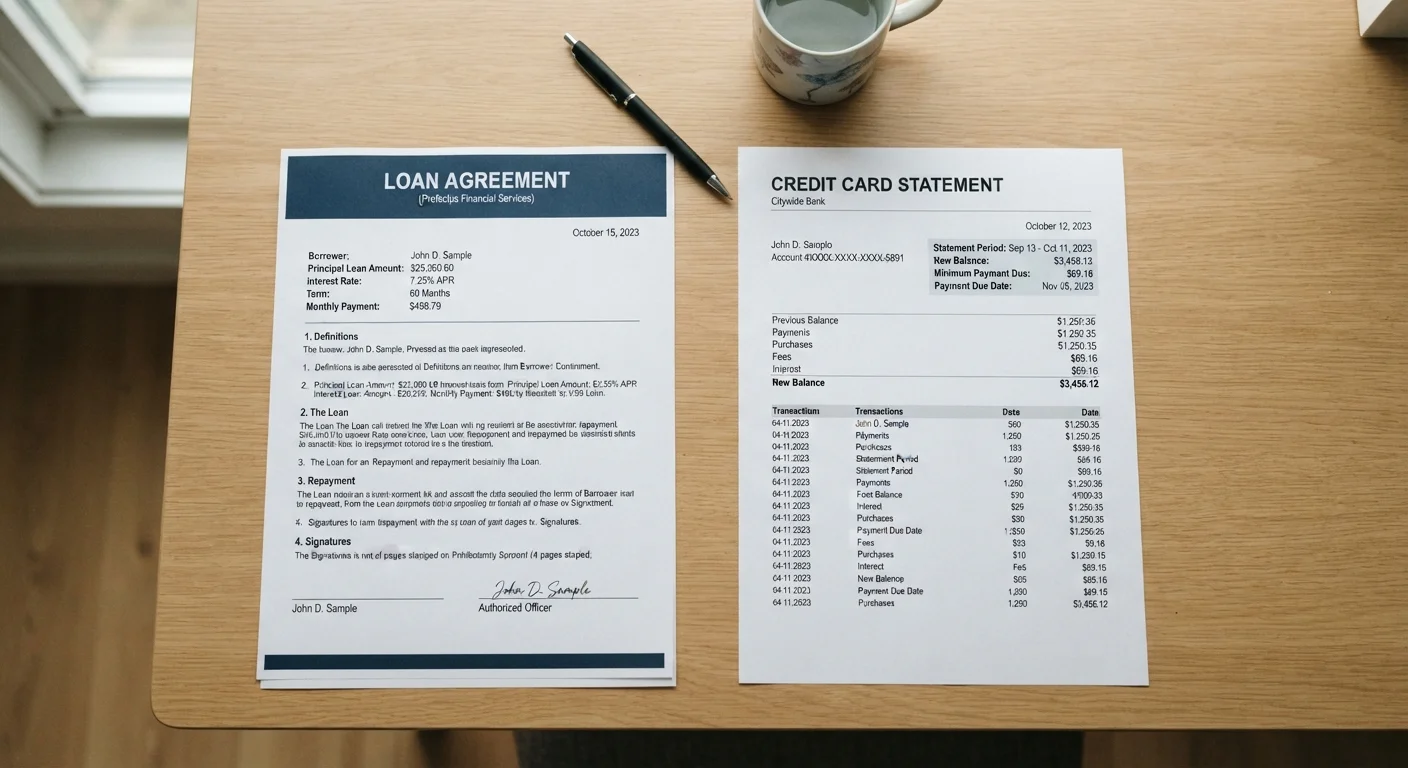
Comparing personal loans and credit cards on long-term cost involves similar logic: the structure of interest charges shapes total cost as much as the rate itself.
Factors worth weighing before you choose
Loan term is the most direct input. Short-term borrowers have less exposure to rate movement, so a variable rate carries less risk. Borrowers committing to a decade or more of payments face far more adjustment cycles and should weigh fixed rate stability carefully.
Your current rate environment matters. When prevailing rates are historically low, locking in that level protects against future increases. When rates are high, a variable rate gives you the chance to benefit if they fall, without going through a full refinance.
Your repayment flexibility also figures in. If you have room to pay more than the minimum each month, you can reduce variable rate exposure by shortening the effective loan life. Borrowers with fixed, limited cash flow have less room to absorb payment increases.
Auto loans are one common context where this decision comes up early. A first-timer's roadmap to car loan shopping covers how rate structure fits into the broader financing decision, alongside term length and total cost. For a deeper look at how loan length interacts with cost, how loan term length shapes the true cost of a car walks through the numbers in detail.
This article is for general informational purposes only and does not constitute personalized financial or lending advice. Loan terms, rates, and eligibility vary by lender, loan type, and individual circumstances. Consult a licensed financial professional before making borrowing decisions.